
Ball valves are among the most common valves found in industrial piping systems. From water treatment facilities and chemical plants to oil and gas pipelines and manufacturing processes, they are used to control the movement of liquids and gases efficiently. Their simple design, reliable sealing performance, and ease of operation have made them a preferred choice across many industries.
But why are ball valves so widely used compared to other valve types?
The answer lies in their durability, fast operation, low maintenance requirements, and ability to provide dependable shut-off performance under a wide range of operating conditions.
In this guide, we'll explore the reasons behind the popularity of ball valves, how they work, where they are used, and how different designs and materials support industrial applications.
Ball valves are widely used in industry because they provide reliable shut-off performance, fast quarter-turn operation, low maintenance requirements, excellent sealing capability, and compatibility with various fluids and operating conditions. They are suitable for water, gas, steam, chemicals, and many industrial processes.
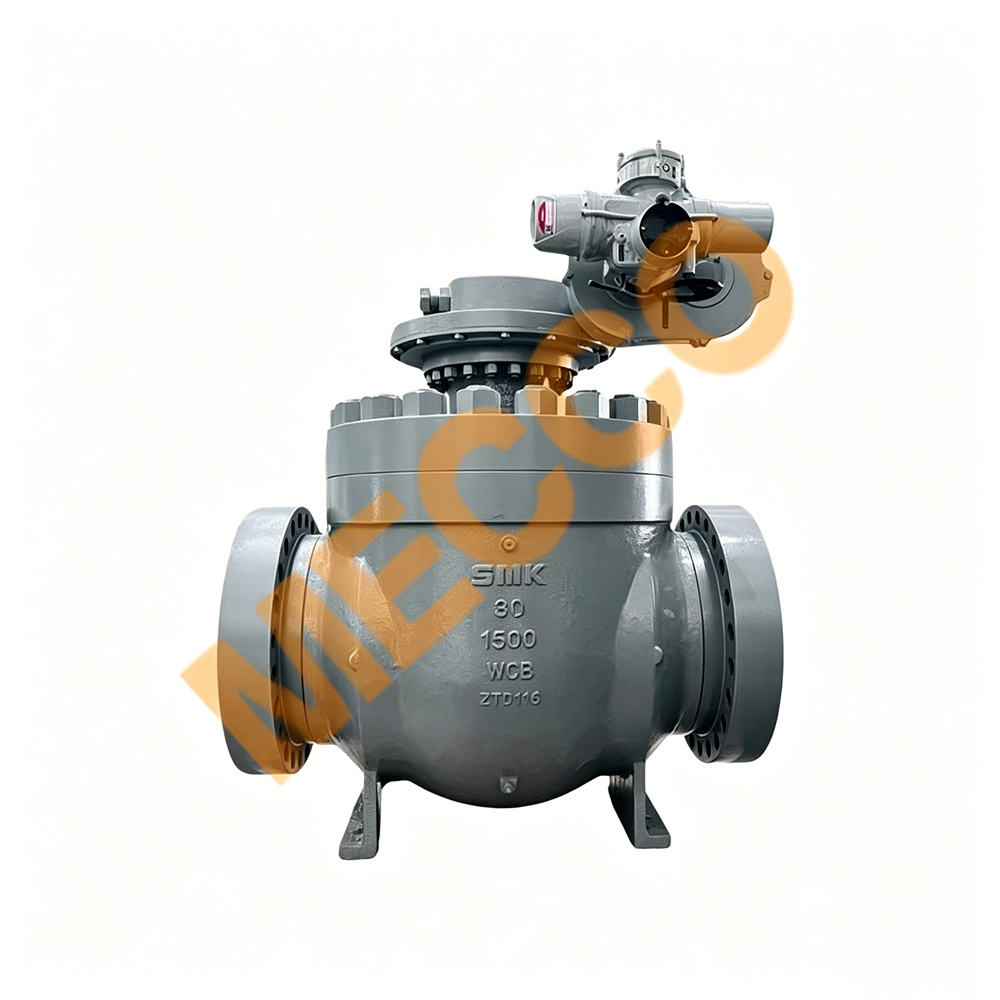
A ball valve is a type of shut off valve that uses a rotating ball with a hole through its center to control fluid movement.
When the hole aligns with the pipeline, fluid can pass through freely. When the ball rotates 90 degrees, the flow path is blocked, stopping the movement of the media.
Because only a 90-degree rotation is required, ball valves are commonly known as quarter turn valves.
This simple operating mechanism contributes significantly to their widespread industrial use.
One reason ball valves are so popular is their straightforward operation.
Unlike gate valves that may require multiple turns to open or close, a ball valve moves from fully open to fully closed with a simple quarter-turn movement.
Benefits include:
In industrial facilities where rapid isolation is required, this design offers a practical advantage.
Industrial systems often require valves that can completely stop flow when necessary.
Ball valves are designed to provide tight sealing between the ball and valve seats. This helps prevent leakage when the valve is in the closed position.
Because of this sealing capability, ball valves are frequently selected as a primary shut off valve in:
Their ability to isolate media effectively helps improve system reliability and operational safety.
When fully open, many ball valves allow fluid to move through the pipeline with minimal resistance.
A full port ball valve features an internal bore that matches the pipe diameter.
Advantages include:
This design is commonly used in applications where unrestricted water flow or process fluid movement is desired.
Because the flow path remains nearly straight, energy losses are minimized compared to some other valve types.
Industrial environments vary significantly. Different fluids, temperatures, and pressures require different valve materials.
Stainless steel ball valves are widely used because they provide:
They are commonly installed in:
A brass ball valve is frequently used in residential, commercial, and light industrial systems.
Benefits include:
Many modern brass valves are manufactured as lead free products to comply with drinking water regulations and environmental standards.
Ball valves can handle a broad range of fluids and gases.
Common applications include:
Their versatility allows engineers to use the same valve concept across multiple systems and industries.
Industrial operators often prioritize equipment that can remain in service for many years.
Ball valves contain relatively few moving parts compared to some valve designs. This reduces wear and simplifies maintenance.
Many heavy duty ball valves are designed for:
Heavy-duty models are frequently found in:
When properly selected and maintained, these valves can provide reliable performance over extended operating periods.
Maintenance costs can significantly affect the total operating cost of a facility.
Ball valves are generally easy to maintain because of their simple construction.
Advantages include:
Many industrial facilities choose ball valves because they can help reduce downtime and maintenance labor.
Modern industrial plants increasingly rely on automation.
Ball valves can be equipped with:
The valve's quarter-turn design makes automation straightforward.
This allows operators to integrate ball valves into:
Although ball valves are mainly designed for on/off service, they can also provide basic flow control in some systems.
For applications that do not require highly precise regulation, partially opening the valve can help adjust flow rates.
However, specialized control valves are generally preferred when accurate throttling is required.
Installation methods continue to evolve to meet changing industry requirements.
One example is the push to connect ball valve.
Push-to-connect technology allows installers to connect piping systems quickly without:
Benefits include:
These valves are increasingly used in plumbing systems, commercial buildings, and light industrial applications.
Ball valves are widely used in many industries because of their versatility.
Control and isolation of water flow throughout treatment and distribution systems.
Pipeline isolation, storage facilities, and process equipment.
Handling corrosive and hazardous media.
Clean and sanitary fluid handling systems.
Steam systems, cooling water circuits, and auxiliary processes.
Heating and cooling fluid management.
Compared with many alternative valve designs, ball valves offer several advantages.
| Feature | Ball Valve | Gate Valve | Globe Valve |
|---|---|---|---|
| Operation | Quarter Turn | Multi-Turn | Multi-Turn |
| Shut-Off Performance | Excellent | Good | Good |
| Maintenance | Low | Moderate | Moderate |
| Flow Resistance | Low | Low | Higher |
| Automation | Easy | Moderate | Moderate |
These characteristics help explain why ball valves are selected so frequently across industrial sectors.
Ball valves are widely used in industry because they combine reliable shut-off capability, fast quarter-turn operation, low maintenance requirements, excellent sealing performance, and compatibility with a broad range of fluids and operating conditions.
Whether using a stainless steel valve for corrosive environments, a brass ball valve for water systems, a lead free model for potable water applications, a full port design for maximum flow efficiency, or a heavy duty valve for demanding industrial service, ball valves continue to be one of the most practical and dependable valve solutions available.
As industries seek efficient, durable, and easy-to-operate flow management solutions, ball valves remain a preferred choice across countless applications.
Ball valves offer reliable shut-off performance, low maintenance requirements, fast operation, and excellent sealing capability. These characteristics make them suitable for many industrial systems.
A quarter-turn ball valve only requires a 90-degree rotation to move between open and closed positions.
A full port ball valve has an internal opening equal to the pipe diameter, allowing maximum flow with minimal pressure loss.
Stainless steel ball valves provide higher corrosion resistance and are often used in industrial environments. Brass ball valves are commonly used in plumbing and commercial water systems.
Lead free brass ball valves contain very low levels of lead and are designed to comply with potable water regulations.
Ball valves can provide basic flow control in some applications, but they are primarily designed for on/off service rather than precise regulation.
Heavy-duty ball valves are frequently used in oil and gas, petrochemical, mining, power generation, and chemical processing facilities.
A push-to-connect ball valve allows piping connections without welding, threading, or soldering, helping reduce installation time and labor costs.