
In the petroleum and natural gas industries, selecting the right valve is crucial for ensuring system integrity, operational reliability, and long-term safety. With numerous API valve standards available, engineers and procurement teams often struggle to determine which specifications align with their project requirements.
This guide breaks down the most common standards—API 6D, API 600, API 602, and API 608—and explains how each applies to different piping conditions, materials, pressure classes, and valve types.
Whether you are sourcing gate valves, ball valves, plug valves, or butterfly valves, understanding the correct API standard ensures proper inspection and test compliance, performance reliability, and code acceptance.
The American Petroleum Institute (API) sets globally recognized standards for design, pressure rating, manufacturing, inspection and test, and operational performance. These standards certify that valves meet strict requirements for:
Using the wrong standard can lead to system failures, legal non-compliance, or costly shutdowns.
API 6D valves are widely used in transmission pipelines for liquid and gas transport. The standard covers:
API 6D is essential for pipeline integrity because it focuses on minimal pressure drop, reliable sealing, and long-distance operation.
Best for:
Transmission pipelines, crude oil systems, natural gas lines, petrochemical transport.
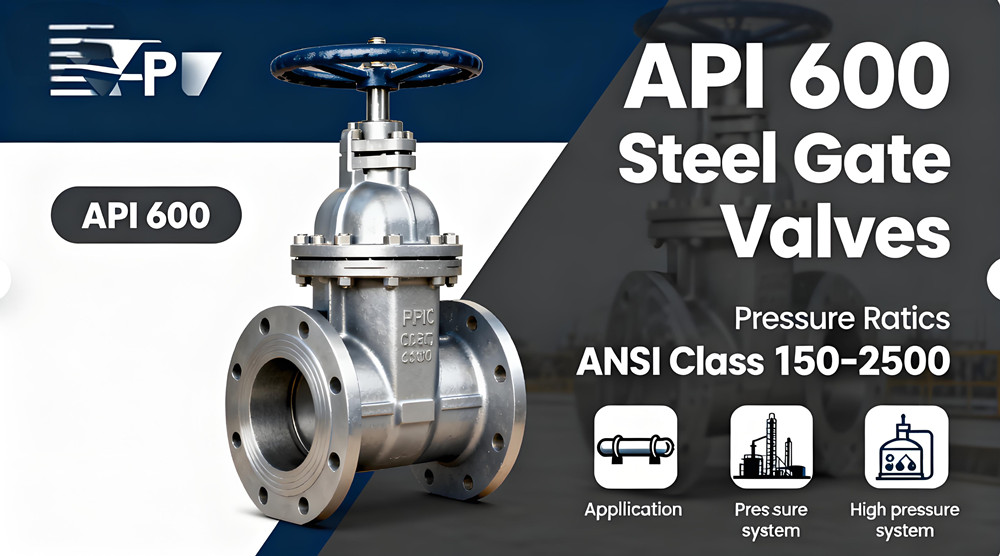
API 600 gate valves are used in refinery and process applications where isolation is required.
The API 600 standard covers:
These valves are built for severe service conditions, offering robustness and long-term durability.
Best for:
Process piping, refinery isolation, corrosive or high-temperature lines.
API 602 applies to small-diameter forged steel valves.
The standard covers:
These valves are ideal for small-bore, high-pressure service where reliability is critical.
Best for:
Instrumentation lines, boiler systems, high-pressure utilities, compact process systems.
API 608 ball valves are soft seated quarter turn valves designed for both on/off and throttling service.
The API 608 standard covers:
This standard ensures ball valves maintain sealing effectiveness under a wide range of pressures and temperatures.
Best for:
Chemical plants, gas processing, fuel handling systems, utilities, and general industrial service.
Covers corrosion-resistant materials such as stainless steel with thinner sections for improved cost efficiency.
The universal test standard for inspection and test protocols, including:
Covers double and triple eccentric butterfly valves used across oil, gas, and industrial sectors.
The most recognized specification for fire test for valves, ensuring operational safety during fire exposure.
Choosing the correct standard ensures your valve functions safely and efficiently under the designated pressure rating, temperature range, and media conditions.
A certified valve manufacturer ensures:
This is crucial for oil & gas projects where specification failures can have serious operational and financial consequences.
API 6D is for pipeline valves, whereas API 600 is for steel gate valves used in process piping.
Ball valves typically fall under API 608, while pipeline ball valves follow API 6D.
API 602 covers compact forged steel gate, globe, and check valves for small-diameter systems.
API 598 defines the universal inspection and test requirements for all valve types.
Yes, most API 608 ball valves are tested according to API 607, the specification for fire test for valves.
API 609 covers butterfly valves, including high-performance double and triple eccentric designs.
Choose based on valve type, size, application, pressure rating, and industry requirements. Pipeline systems typically use API 6D, process isolation uses API 600, small-bore forged valves use API 602, and quarter-turn ball valves use API 608.
They ensure consistency, safety, performance reliability, and regulatory compliance in the petroleum and natural gas industries.