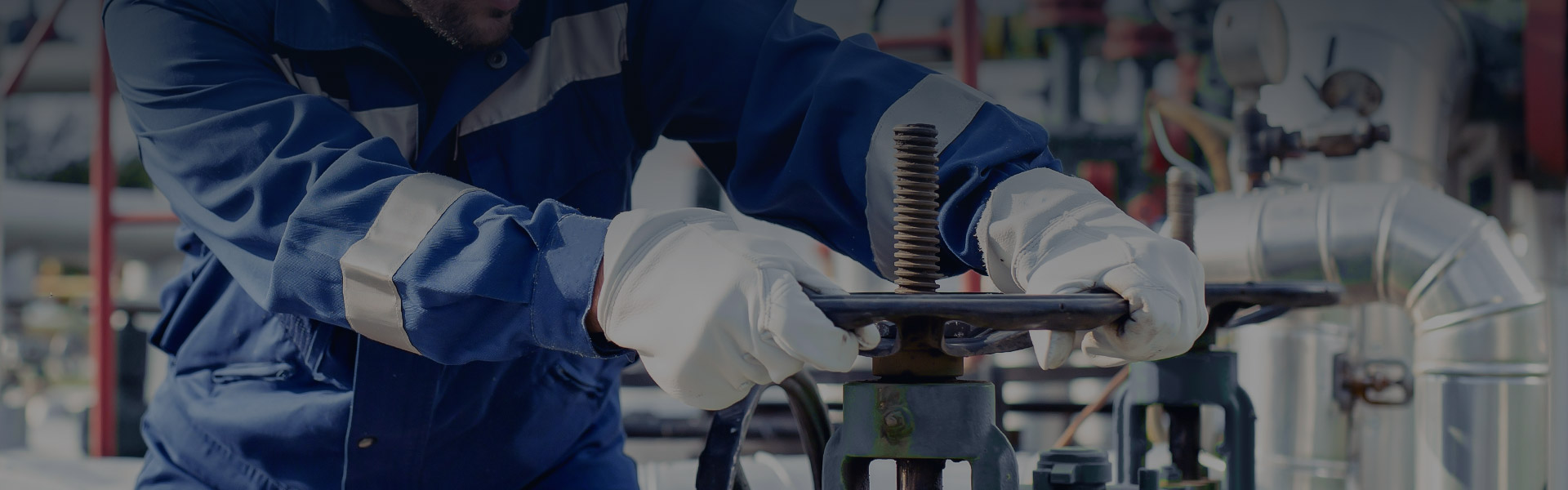
As the global energy landscape shifts toward decarbonization, hydrogen energy is emerging as a cornerstone of the clean energy transition. From hydrogen fuel infrastructure to fuel cell systems and hydrogenation processes, the rapid expansion of hydrogen systems is creating unprecedented demand for advanced hydrogen valves that are safe, reliable, and engineered for extreme operating conditions.
Unlike conventional industrial gases, hydrogen presents unique challenges in terms of material compatibility, leakage control, and pressure management. As a result, valves for hydrogen service are no longer standard components—they are mission-critical safety devices.
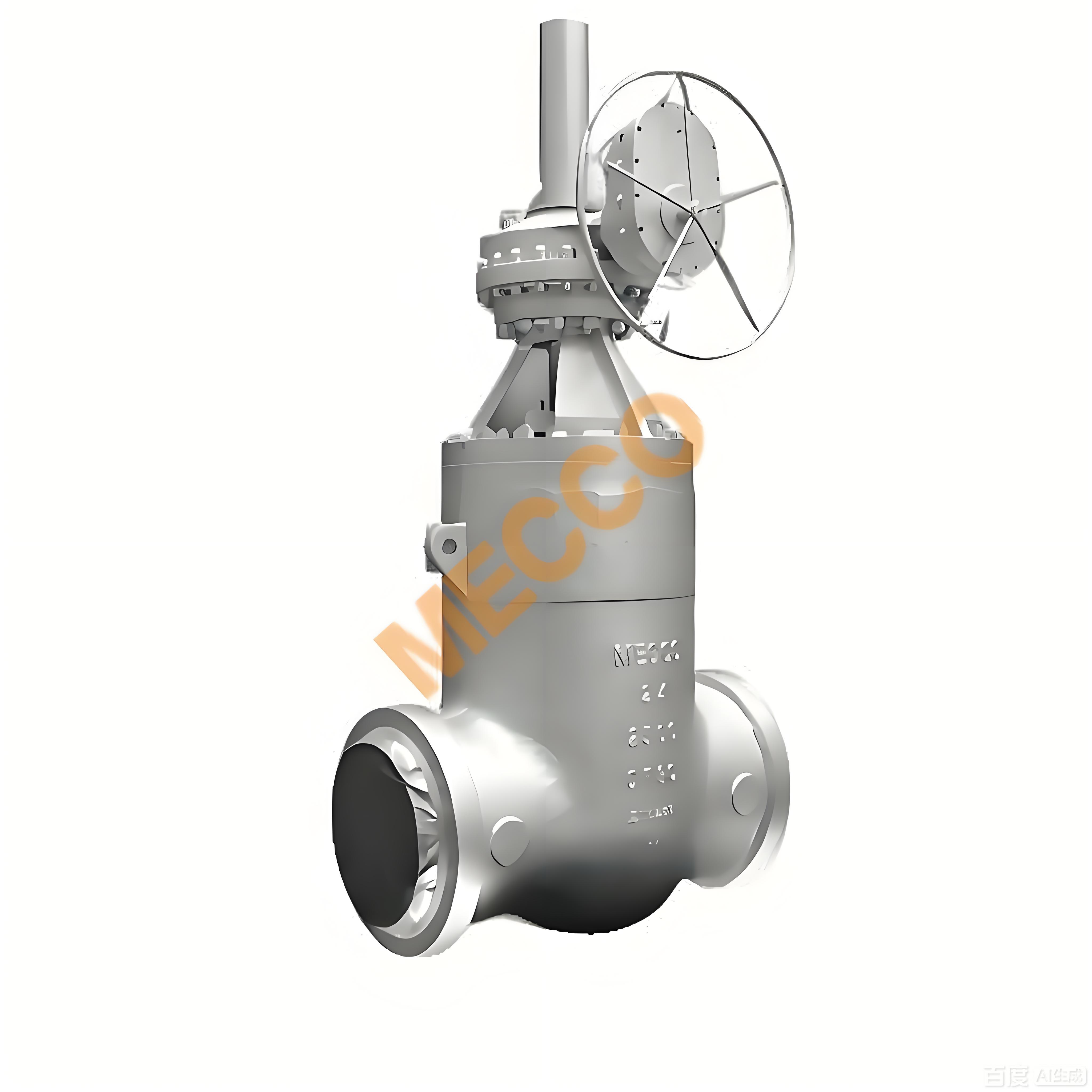
Hydrogen has the smallest molecular size of any element, making leakage control significantly more difficult. Ensuring H2 valves safety requires careful attention to sealing performance, material selection, and valve design. In high-risk environments, valves must remain safely operable even under fluctuating pressure, temperature extremes, and repeated cycling.
In applications such as hydrogen fuel production, storage, transportation, and hydrogenation, valves must precisely manage the flow of hydrogen while minimizing fugitive emission to meet strict safety and environmental regulations.
One of the most critical technical challenges in hydrogen applications is hydrogen embrittlement. Hydrogen atoms can diffuse into metal structures, causing loss of ductility and eventual failure.
To mitigate this risk, stainless steels are widely used for hydrogen valve manufacturing due to their superior resistance to embrittlement and corrosion. Advanced alloy formulations and controlled heat treatments further enhance durability, making them ideal for high pressure valves and long-term hydrogen exposure.
The valve body material must be carefully selected to ensure structural integrity across the entire lifecycle of the system, especially in high-pressure and cryogenic hydrogen environments.
Different hydrogen processes require different valve solutions. Commonly used valve types include:
Needle valves are essential for fine, accurate control, especially when controlling the flow of hydrogen in analytical lines, pilot systems, and instrumentation.
Ball valves are widely adopted in hydrogen pipelines and storage systems for their tight shut-off performance and low leakage rates. They are particularly suitable for on/off control in hydrogen fuel and fuel cell applications.
Check valves prevent reverse flow, a critical safety function in hydrogen compression and distribution systems where backflow could lead to pressure surges or contamination.
A properly engineered control valve enables stable regulation of pressure and flow rate in complex hydrogen processing systems, supporting both operational efficiency and safety.
Designed specifically for extreme operating conditions, high pressure valves are indispensable in hydrogen refueling stations, compression units, and storage facilities.
In hydrogenation processes—commonly used in chemical, petrochemical, and energy industries—valves must withstand continuous hydrogen exposure, elevated pressures, and aggressive process conditions.
Mecco’s hydrogenation valve is engineered to meet these demanding requirements, combining robust valve body design, hydrogen-compatible stainless steels, and low-emission sealing structures. Such valves are designed to fit modern hydrogenation systems where safety, reliability, and long service life are essential.
Liquid hydrogen applications introduce additional complexity. Extremely low temperatures can affect material toughness, sealing elasticity, and valve operability. Valves used in cryogenic hydrogen systems must remain safe and reliable under both thermal shock and pressure cycling, without compromising sealing performance.
Advanced design considerations—such as extended bonnets, specialized seat materials, and precision machining—are critical to ensure valves fit cryogenic hydrogen service conditions.
As fuel cell technologies expand into transportation, power generation, and industrial backup systems, valves play a central role in ensuring clean, controlled hydrogen delivery. From high-pressure supply lines to low-flow control points, valves must maintain consistent performance to support fuel cell efficiency and longevity.
The future of hydrogen energy depends not only on production and storage technologies, but also on the reliability of core components such as valves. From managing high pressure hydrogen flow to preventing leakage and resisting hydrogen embrittlement, modern hydrogen valves are foundational to safe and scalable hydrogen infrastructure.
As hydrogen continues to evolve from an emerging energy source to a global standard, selecting valves that are purpose-built for hydrogen service will be essential for long-term safety, compliance, and operational success.
Q1: What makes valves for hydrogen service different from standard valves?
Hydrogen valves must address hydrogen embrittlement, ultra-low leakage requirements, high pressure, and strict safety standards, which standard valves are not designed to handle.
Q2: Which materials are best for hydrogen valves?
High-quality stainless steels are commonly used due to their resistance to hydrogen embrittlement and corrosion, especially in high-pressure environments.
Q3: How do valves help reduce fugitive emission in hydrogen systems?
Advanced sealing designs, precision machining, and optimized valve structures minimize hydrogen leakage and improve environmental and operational safety.
Q4: Are ball valves suitable for hydrogen fuel applications?
Yes, ball valves are widely used in hydrogen fuel systems due to their tight shut-off capability and durability under high pressure.
Q5: What role do hydrogenation valves play in industrial processes?
Hydrogenation valves control hydrogen flow in chemical reactions, requiring exceptional safety, material compatibility, and pressure resistance.