Oxygen is one of the most reactive gases used in industrial, medical, and laboratory systems. Because of its ability to rapidly accelerate combustion, every component handling oxygen must meet stringent safety and cleanliness requirements. Among these components, the oxygen valve—also called an oxygen service valve—plays a critical role in ensuring safe, stable, and contamination-free operation.
This complete guide explains oxygen service valve types, materials, oxygen cleaning standards, replacement guidelines, and key safety precautions.
An oxygen service valve is a flow-control device specifically engineered for systems that handle pure oxygen or oxygen-rich gases. Unlike standard valves, oxygen service valves must be designed and manufactured to eliminate ignition risks, particle contamination, and material incompatibility.
Common applications include:
Because oxygen dramatically increases flammability, any contamination—oil, grease, fibers, dust, or hydrocarbons—can ignite under heat, friction, or pressurization. This is why oxygen valves require specialized cleaning and inspection before service.
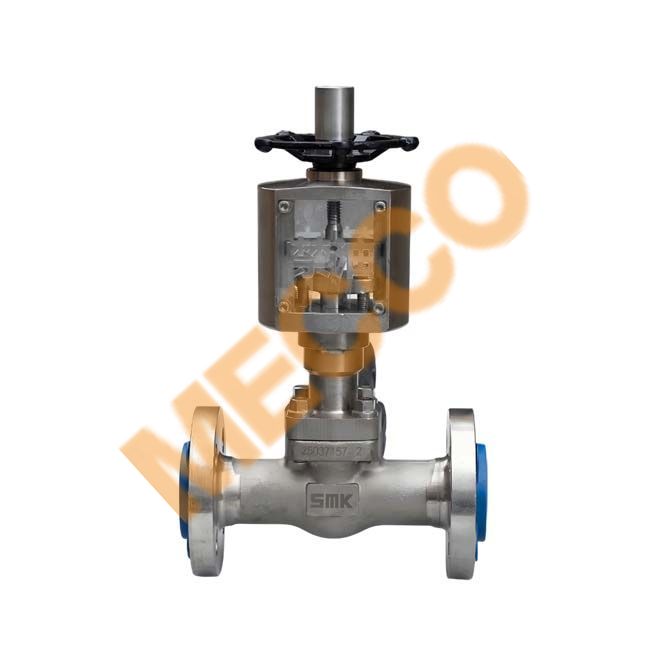
Material selection is critical for oxygen safety. The valve materials must be non-reactive and capable of handling high pressure, rapid gas expansion, and ignition prevention.
Selecting the correct material significantly improves safety, lifetime performance, and compliance with oxygen handling standards.
Oxygen cleaning is the process of removing contaminants from the internal and external surfaces of valves and accessories used in oxygen service. Contaminants can include:
Even microscopic contamination can ignite when exposed to pressurized oxygen. Oxygen cleaning ensures a completely contamination-free internal surface to meet major standards such as:
After cleaning, the oxygen valve is marked as "Cleaned for Oxygen Service", ensuring compliance and safe usage.
Regular inspection and oxygen service valve replacement are essential for system safety and uninterrupted performance.
Never install a standard industrial valve into an oxygen system. Doing so introduces serious fire and explosion risks.
An oxygen valve regulator controls both gas flow and outlet pressure. It is used in:
Using the correct regulator ensures stable oxygen delivery and protects downstream equipment from over-pressurization.
To prevent accidents and ensure long-term reliability, follow these essential oxygen safety rules:
1. Never use oil, grease, or hydrocarbon lubricants
2. Open valves slowly to prevent heat from rapid compression
3. Store oxygen cylinders upright and secure
4. Keep valves and regulators free from dust and moisture
5. Perform regular inspection and cleaning
6. Ensure only trained personnel conduct maintenance
7. Use oxygen-rated PTFE tape and sealants
Oxygen safety is non-negotiable—ignition can occur instantly under the wrong conditions.
Oxygen valves are manufactured from non-reactive materials and undergo strict oxygen cleaning to remove contaminants that can ignite in oxygen-rich environments.
It depends on usage conditions, but professional cleaning is recommended during annual maintenance or whenever contamination is suspected.
Only oxygen-approved, non-hydrocarbon lubricants should be used. Most oils and greases are strictly prohibited.
High-quality stainless steel oxygen valves can handle up to 6000 psi (or higher), depending on design and manufacturer.
Replace it if you see corrosion, leakage, malfunctioning operation, or any sign of contamination or wear.
Yes. Even newly manufactured valves may contain machining oils or particles and must be oxygen cleaned before use.
Oxygen service valves are critical safety components in any oxygen system. Selecting the right materials, ensuring proper cleaning, following replacement guidelines, and using approved oxygen valve regulators are essential for maintaining system safety and reliability.
Whether installing a new system or maintaining existing equipment, always work with certified oxygen-rated valves and follow strict cleaning and safety procedures.
If you need help choosing the right oxygen valve or want professional oxygen cleaning services, a specialized supplier or manufacturer can provide the safest options.